

I still can’t believe they managed to sneak that into “The Matrix.” Seriously, watching it again recently, I was floored by how many people miss the subtle philosophical underpinnings that run through the entire film. It’s not just about cool stunts and a guy in a long black coat, though that’s part of the surface appeal. The deeper message is about the nature of reality and free will, concepts that are way more complex than they seem.
My buddy asked me if Neo was really the one, or if it was all just a setup. And that’s where the genius of the film really shines. The Wachowskis weren’t just telling a sci-fi story; they were questioning our own beliefs. Think about how they portray the Matrix itself. It’s presented as this perfect, organized system, like an idealized version of the late 1990s, but it’s entirely artificial. This mirrors how we often accept the realities presented to us without questioning their origin or authenticity.
Then there’s the whole concept of choice. Morpheus famously says, “You didn’t come here to make the choice, you’ve already made it. You’re here to try to understand why you made it.” That moment, when Neo chooses the red pill, isn’t just a plot device; it’s a profound statement on agency and self-awareness. We often think we’re making free choices, but are we truly aware of the forces shaping those decisions? It’s a question that’s haunted philosophers for centuries, and the movie brings it to the big screen with explosions and stylish outfits.
Now, you might think all this philosophical depth makes it a depressing movie, but that’s not entirely true. The real criticism I have is perhaps how the action sequences, while iconic, can sometimes overshadow the intellectual meat of the story for casual viewers. It’s easy to get caught up in the bullet time and forget that underneath it all, there’s a serious discussion about simulation theory and what it means to be human. I’ve seen people talk about the kung fu for weeks, but barely mention the Plato’s Allegory of the Cave parallel. For crying out loud, Laurence Fishburne’s character literally explains it to Neo!
The movie’s cleverness lies in its metaphorical layers. For instance, the Agents, like Agent Smith, represent not just control, but the inherent resistance of a system to change or to individuals who deviate from the norm. They are the manifestation of doubt and societal pressure. What’s even wilder is how this resonates with current discussions about algorithmic control and the filter bubbles we all live in online. We’re so used to seeing what the algorithm feeds us, much like the plugged-in humans of the Matrix. It’s fascinating, and honestly, a little unsettling.
Honestly, it blows my mind how “The Matrix” predicted so much of our current digital existence, even though it came out over twenty years ago. The characters grapple with the idea of living in a fabricated world, a concept that feels incredibly relevant today with advancements in virtual reality and AI. People might just see it as a cool action flick, but it’s a movie that genuinely makes you think about your own perceptions and limitations. You can read more about simulation theory on sources like Stanford Encyclopedia of Philosophy.
The ending, with Neo on the phone before flying off, is where it all truly crystallizes. “I know you’re out there. I can feel you now. I know that you’re afraid… of us. You fear change. I don’t know the future. I didn’t come here to tell you how this is going to end. I came here to tell you how it’s going to begin.” This isn’t just Neo’s declaration of power; it’s a universal call to awaken from our own self-imposed or externally imposed illusions. This film serves as a profound reminder that questioning is often the first step towards genuine liberation. It’s easy to get lost in the glamour of special effects, but the philosophical core remains. If you’re interested in the historical context of these ideas, you can explore Plato’s Republic on Wikipedia.
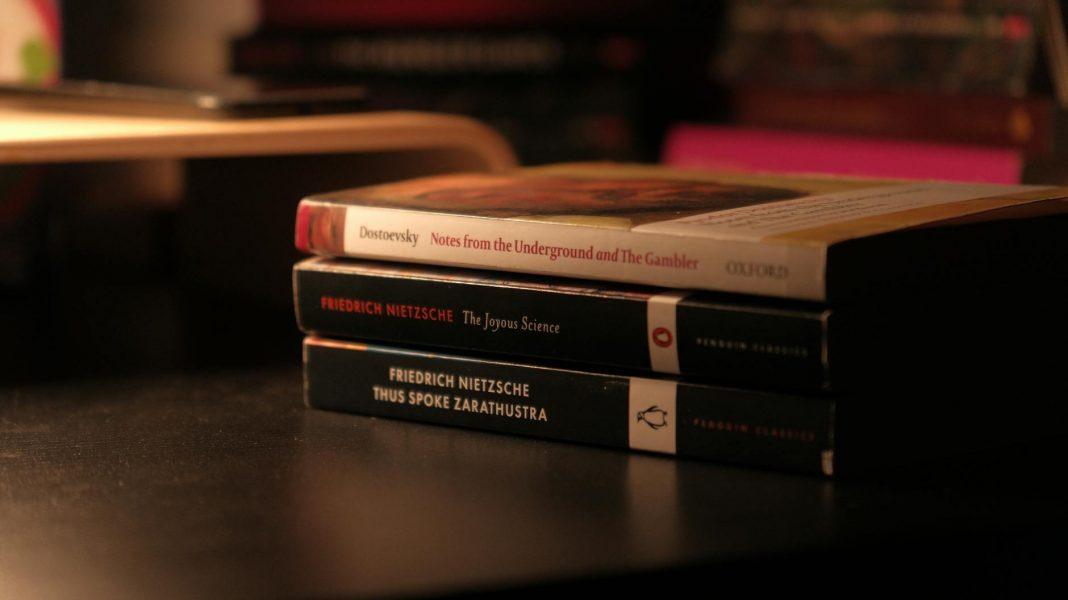
Ultimately, the “hidden message” wasn’t so much a secret as it was a challenge to the audience. The film doesn’t force an answer; it poses a question, much like how Nietzsche did with his concepts of will to power and eternal recurrence. The real kicker? Many people still haven’t accepted the invitation to the real debate.