


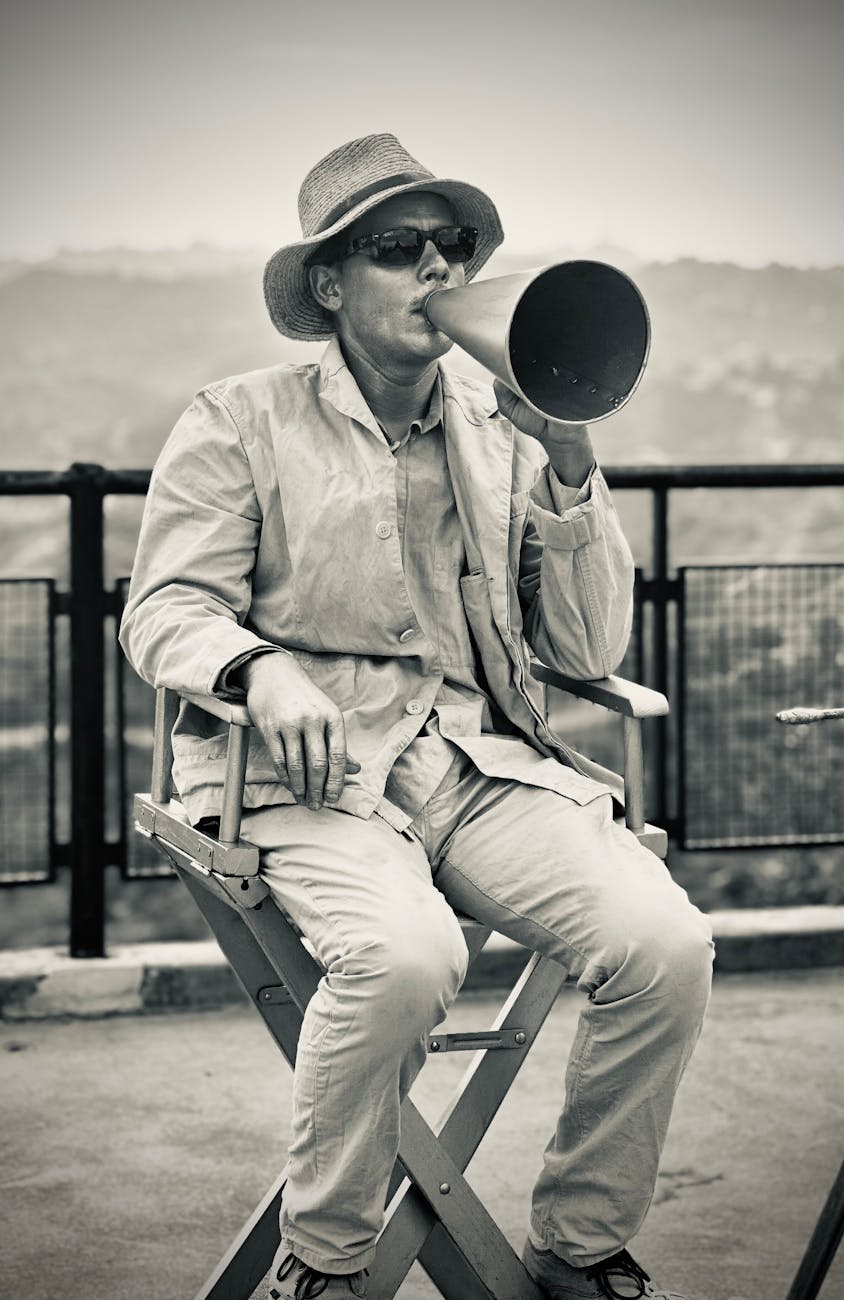
I was watching a behind-the-scenes documentary about The Fantastic Four (2015) recently, and it was eye-opening. The director, Josh Trank, apparently clashed with the studio pretty severely. Things got so bad, they essentially took the film away from him and reshot significant portions. He was, for all intents and purposes, fired halfway through filming, or at least his creative control was vaporized. It’s a brutal business.
Seriously, you’d think once you hand the reins to a director, you’d trust them. But this situation, and others like it, show that’s often not the case. Studios pour millions of dollars into these projects, and when they start smelling trouble, or when the director’s vision diverges too much from their bottom line expectations, panic sets in. They see box office returns flashing before their eyes.
One major reason directors get the boot is a lack of creative alignment, which is what seemed to happen with Trank. The studio might have wanted a fun, popcorn flick, like Marvel’s Avengers, but the director was aiming for something darker and more grounded, closer to Chronicle, his previous successful film. This fundamental disconnect in vision can lead to constant battles over tone, script changes, and character development. It’s like trying to steer a ship with two captains yelling different directions.
Then there’s the issue of budget overruns and schedule delays. If a director is consistently going over budget, blowing through their allotted shooting days, or seems to be losing control of the production, the studio’s patience will wear thin fast. Think about Waterworld back in the day – Kevin Costner’s epic was plagued by massive budget issues and constant delays, although the director wasn’t fired, the studio had to step in heavily to salvage it. When a production becomes a financial black hole, heads will roll, and it’s usually the director’s.
Poor performance on set, or a perceived inability to manage the cast and crew, can also be a death knell. If actors are clearly unhappy, if the crew is disorganized, or if the director seems overwhelmed and unable to deliver usable footage, the studio might decide a change is necessary just to salvage something. It’s not always about grand artistic differences; sometimes it’s just pure, unadulterated chaos.
Honestly, the studio interference aspect is what really grinds my gears. It’s baffling how much control a studio can exert, even if it means compromising the director’s vision to the point of absurdity. You hire someone for their unique talent, their eye, their story-telling ability, and then you tie their hands behind their back. It’s almost like they want to ensure a mediocre outcome.
A real-world downside to this scenario, beyond the director’s career, is the impact on the final film. Audiences often sense when a movie has been a troubled production. The pacing can be off, the story can feel disjointed, and the overall creative intent can be muddled. The reshoots themselves can be expensive and further dilute the original artistic vision. It’s a lose-lose situation for everyone involved, especially the poor ticket buyers. The initial budget for Fantastic Four was reportedly around $120 million, and the final product was a critical and commercial disaster.
Sometimes, a director might be fired because of personal conduct issues on set. This isn’t always publicized, but rumors of difficult behavior, substance abuse, or even creating a hostile work environment can lead to a swift dismissal. While less common than creative disputes, it does happen. The stakes are simply too high for studios to tolerate toxic on-set dynamics, especially when dealing with the complex logistics of large-scale film productions.
Ultimately, being a director is a precarious job. You’re the captain of a very expensive, very large ship, and if you veer off course, even slightly, the entire crew might mutiny. It’s a high-pressure environment where artistic vision often has to square up against cold, hard financial realities. Knowing all this, I’m actually surprised more directors aren’t fired; it means most probably have a team of lawyers and producers managing them very closely from minute one.