

Man, some movie scenes just stick with you, right? Then you hear the backstory and you’re like, “Whoa.” We’re talking about the infamous “shrieking scene” from the movie Hereditary. It’s the one where Toni Collette’s character, Annie, absolutely loses it.
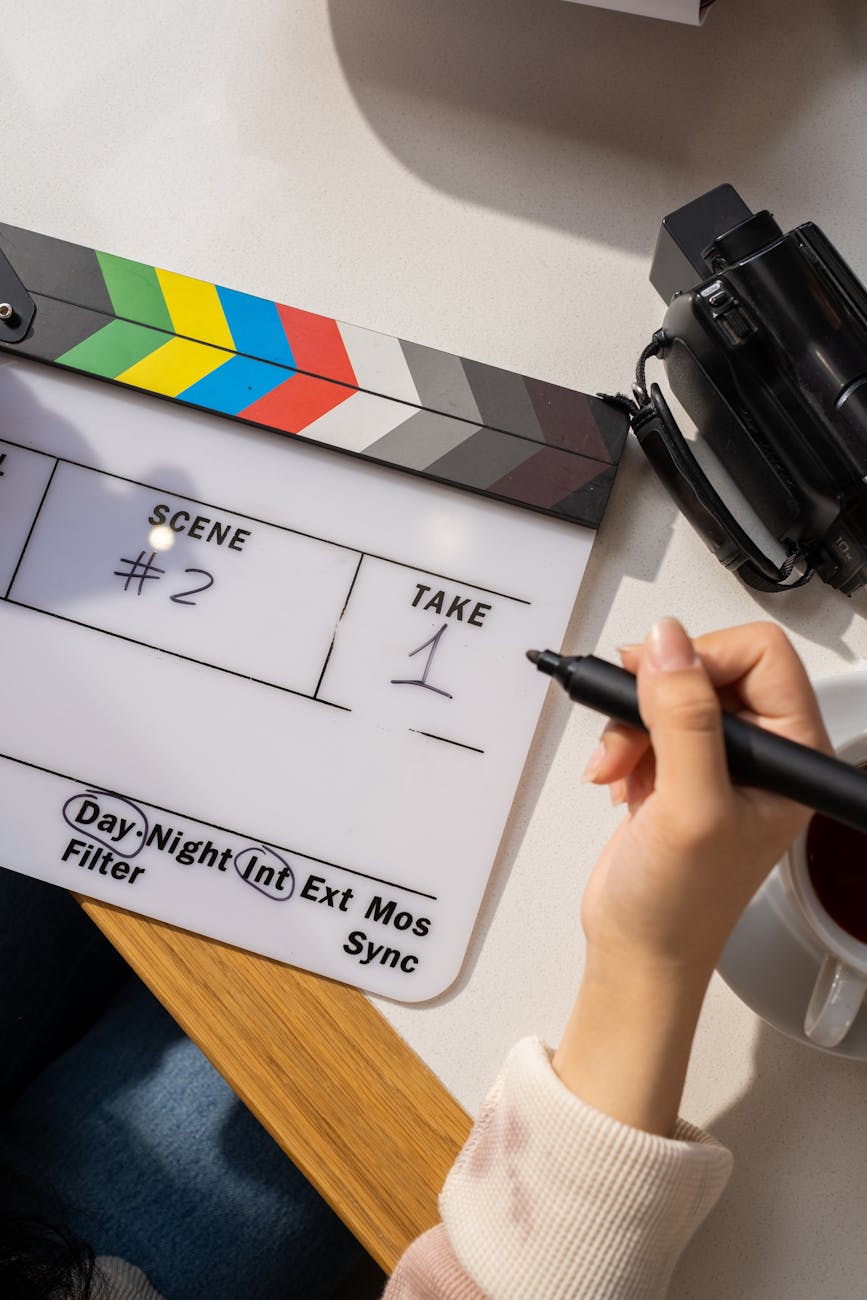
I swear, when I first saw that scene, I was unnerved. Like, deeply unsettled. It’s the kind of performance that makes your skin crawl, and not in a fun, jump-scare kind of way. But the behind-the-scenes stuff? That’s where it gets wild. It apparently took 127 takes to get that particular scene done. One hundred and twenty-seven. Can you even imagine the exhaustion?
For context, a typical movie scene might take anywhere from a handful of takes to maybe 20 or 30 if it’s particularly complex or involves a lot of technical elements. 127 takes for a single performance beat? That’s utterly insane. Director Ari Aster was apparently pushing Toni Collette to deliver an even more primal, guttural scream, something beyond what you’d expect from a human.
Now, I get wanting perfection. Filmmaking is a craft, and directors have a vision. But I’ve gotta say, that number makes me wonder about the psychological toll on the actor. She’s giving her all, and then some, and being asked to just… keep going. Even for a seasoned pro like Toni Collette, who is phenomenal, that’s an immense ask. You can feel the raw emotion, but there must have been a point where it stopped being about the character and started being about brute survival for the actor herself.
Look, the result is undeniable. That scene is a masterclass in cinematic horror. It’s a moment that defines the film and showcases Collette’s incredible range. She’s just so good at portraying intense emotional breakdown. The sheer vulnerability and terror she conveys are palpable, which is probably why it’s so talked about. It’s the kind of performance that will get you Oscar buzz, and honestly, it deserved it, even if the journey there was brutal.
But is that really the only way to achieve that level of intensity? I mean, 127 takes sounds less like artistic pursuit and more like a form of emotional waterboarding. There’s a whole other discussion to be had about actor well-being on set, especially when dealing with incredibly demanding roles. You want to push boundaries, sure, but there’s a line. For a deeper dive into the psychological aspects of acting and the pressure involved, resources like the American Psychological Association offer some fascinating insights.
The sheer dedication to capturing that perfect, agonizing scream is almost unbelievable. It speaks to a certain kind of obsessive filmmaking that doesn’t happen every day. Most directors would have either moved on with a “good enough” take or found a way to achieve the effect through editing or sound design. But Ari Aster and Toni Collette clearly had a shared vision for something more.
Honestly, thinking about those 127 takes makes me feel a little ill. It highlights the extreme demands placed on actors to deliver unforgettable performances. I remember reading an interview where Collette herself talked about the experience, and even she seemed a bit shell-shocked, acknowledging the intensity of the process. It’s a prime example of how some of the most impactful cinematic moments come from an almost unbearable amount of effort, pushing people past their perceived limits. For more on the business and realities of film production, you can check out articles on Forbes which often cover the financial and logistical challenges.
Ultimately, the Hereditary shrieking scene succeeded because of that insane grind. The sheer repetition and likely frustration built up on set might have even fed into the raw, unhinged energy of the performance. It’s a controversial method, no doubt. While many praise the final product, the sheer number of takes raises questions about sustainable creative practices and the potential for burnout in a demanding industry. You can find general information about the film production process and industry standards on sites like Investopedia.
So, yeah, 127 takes. It’s a number you won’t forget. And it’s a testament to both the actor’s commitment and the director’s relentless pursuit of an almost impossible moment. Pretty sure I’m going to need therapy just thinking about it. And you know what? It probably would have been just as terrifying with 50 takes.